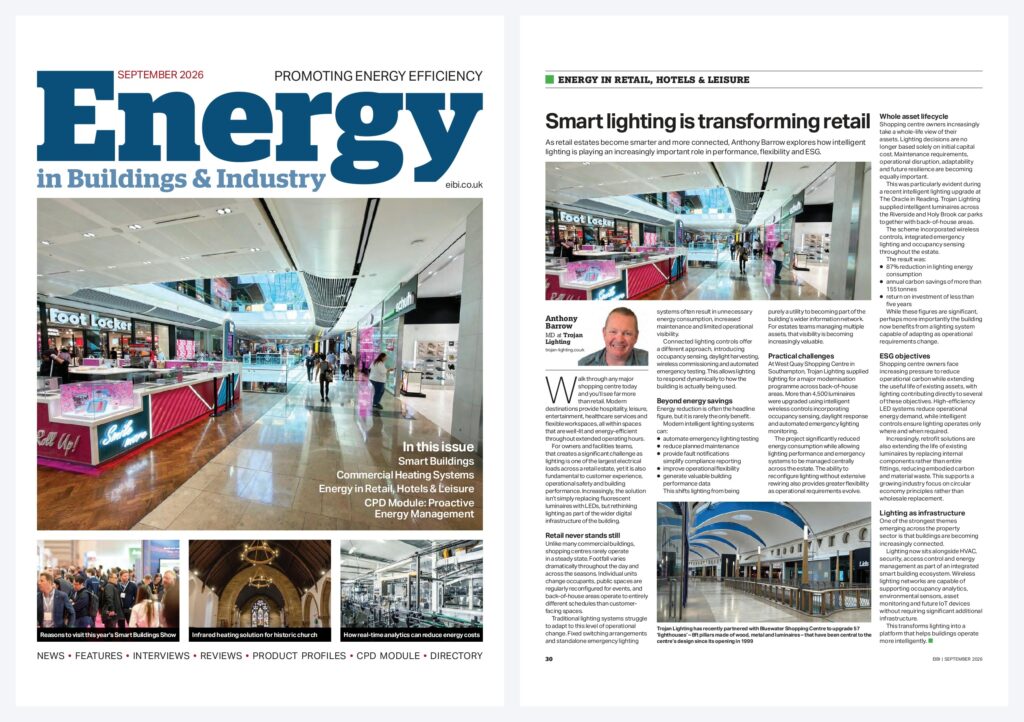
Anthony Barrow, Managing Director of Trojan Lighting, has written a feature for A1 Lighting on how intelligent lighting can reduce energy use across sectors. The article responds to the magazine’s question on how to maximise energy efficiency and keep lighting costs under control when winter means longer hours of artificial lighting.
Anthony’s starting point is that the same technology does different jobs in different buildings. The hardware is often the same from one site to the next, so a control strategy designed around the sector is what makes the difference. He sets out the main tools: occupancy sensing, usually combined with dimming so that output follows usage instead of running at full power, scheduling that matches opening hours, shift patterns and the seasons, and daylight harvesting. Daylight harvesting works well near windows but does less in winter, and many larger spaces and more complicated layouts never receive suitable daylight levels. Alongside the controls, the data from the system helps with fault finding and shows usage patterns that can be used to optimise the system and save money.
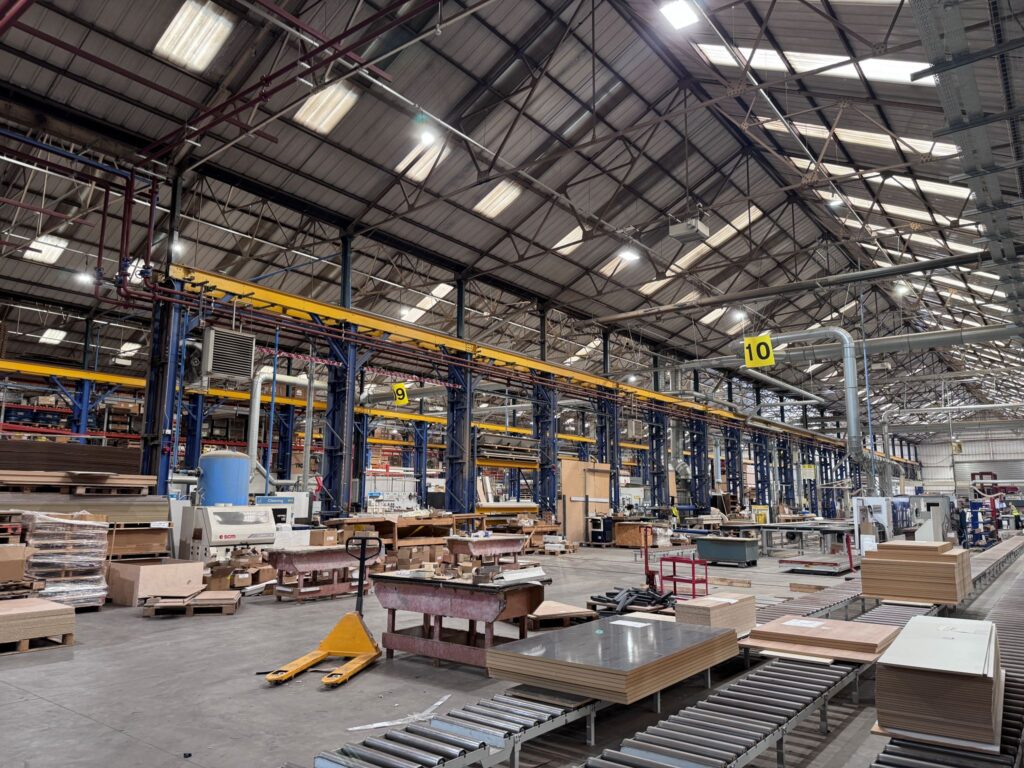
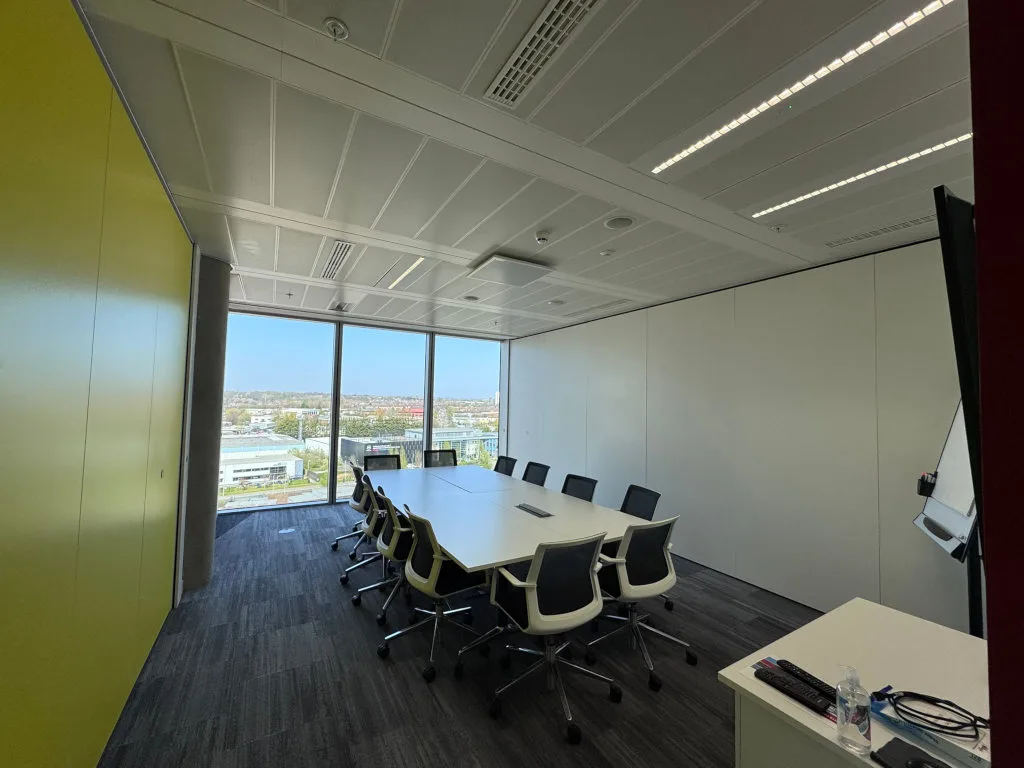
The article then looks at how those tools apply in practice. In shopping malls, front of house and back of house run to very different schedules, and retail unit layouts change with the seasons, so schedules need to be customisable. Offices have to allow for hybrid working and more frequent tenant changes, which means zoning that is easy for facilities managers to reconfigure. Car parks run around the clock and are empty for much of it, so sensing and dimming matter most. Healthcare also runs non-stop but with people always present, so scheduling and night modes help to conserve energy while keeping wards fit for purpose. Industrial buildings often have large floor areas and high ceilings, which makes zoning important and maintenance expensive, so longer-life fittings and remote monitoring bring real value.
The article draws on three projects. At The Oracle Shopping Centre in Reading, lighting energy consumption is calculated to fall by 87%, saving 155 tonnes of CO₂ a year, with a return on investment of 4.74 years. At Evelina London Children’s Hospital, electricity savings of 80% are calculated, with a carbon saving of 240 tonnes of CO₂ in the first year and a return on investment of 3.75 years. At Kellanova’s UK headquarters, energy use is calculated to fall by 81%, with a return on investment of 4.83 years.
You can read the full article at A1 Lighting, and see more of our work on the case studies page.